

Our Leadership Drivers
“The first responsibility of a leader is to define reality. The last is to say thank you. In between, the leader is a servant.”
—Max DePree, Writer and BusinessmanEarly in my corporate career, seated at a company-wide meeting, our new CEO was responding to panel-proposed questions on his vision for the future. When asked what kind of leader he hoped to be, he said confidently, “I want to be a strong leader. I want to be a great leader. Furthermore I believe we need strong, great, effective leaders throughout the organization.”
The room responded with feigned applause and nodding heads, but as the conversation moved on I was stuck. What does that answer even mean?
What does it mean to be a strong or great leader? How do you measure your leadership effectiveness? These questions guided me through much of my career. It’s these questions that taught me to seek real answers, to dig beyond the subjective. I began to observe and study workplace behaviors, seeking to understand leadership capabilities - where they come from - and to look deeper into what really motivates and inspires us.
I discovered that leadership skill development is not only useful for those in formal leadership roles… it is for leaders, it is for contributors, it is for everybody. We all want to feel better at work and that starts with how we feel about ourselves. In order to truly bask in the greatness of what we accomplish at work, we need handle the stressors. We need to discern what is within our control. We need to lead ourselves.
I started Tap In to help committed individuals identify appropriate action. We exist to help build habits and behaviors - what we say and the way we act extends beyond ourselves. We help balance the production with the political, the triumphs with the troughs, and the natural strengths with the opportunity areas.
-Stephanie Elman, Founder and Lead ConsultantThe Pillars of Leadership
-

Intrinsic Motivation
Humans are happy doing things they are good at. Find the strengths, communicate the value, and use them.
-

Set the Example
Want your team to push through discomfort? Embrace change? Admit mistakes? Reach above and beyond? Show them how.
-

Participatory
People work hard when they feel a connection to their goals. Motivate and give space for people to participate in their own journey.
-

Emotional Intellegence
The art of understanding and managing our own emotions and those of others improves working relationships. The results outweigh the discomfort of doing the work to get there.
Leaders Who Inspire Us
-
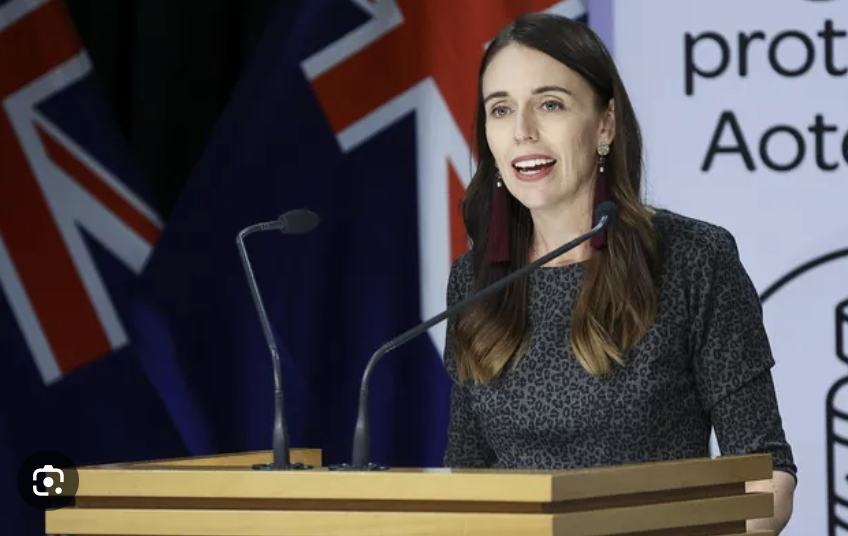
Serving for nearly 6 years as the 40th Prime Minister of New Zealand, Jacinda Ardern is a champion of empathetic leadership. Embodying the leadership principles she preaches, Ardern saw her country of 5.3 million residents through the Christchurch terrorism shooting, numerous climate-related disasters and the COVID-19 pandemic. Her book, A New Type of Leadership, dives into her role and responsiveness in the face of the aforementioned challenges, with a focus on the coexistence of kindness and strength.
Two years into her national leadership role, COVID-19 took over the globe. Every world leader was suddenly forced to prioritize a new threat with hardly any detail to inform a response. With infections spreading quickly, Ardern leaned into a crucial step in the decision-making process; information gathering. Ardern had a robust political career leading up to her time as Prime Minister, serving as a champion for efforts such as paid parental leave, climate change, and increasing teacher pay, but infectious disease expert she was not.
Acknowledging her knowledge gap, Ardern formed a government response team with medical and scientific experts to collect, interpret, and communicate the rapidly changing and complex information. With lives on the line, Ardern was focused on rounding out her own understanding in order to make the best decisions for New Zealanders.
Ardern met this worldwide threat without ego and instead with humility. Due in part to her well-formed response team, New Zealand was able to contain the virus. By the time New Zealanders went to the polls in October 2020, there were no reported active cases and only 25 total COVID-related deaths.
New Zealand thanked Ardern by reelecting her in a landslide. Voter support for her Labour Party was at a 50 year high and New Zealanders were able to celebrate New Year's 2021 together - no mask mandates, no social distancing, no hospitals in crisis.
"A confidence gap often leads to humility… crises make governments and they break governments and I think we just displayed what we’re made of… compassion, empathy and a real drive to do things for others."
-
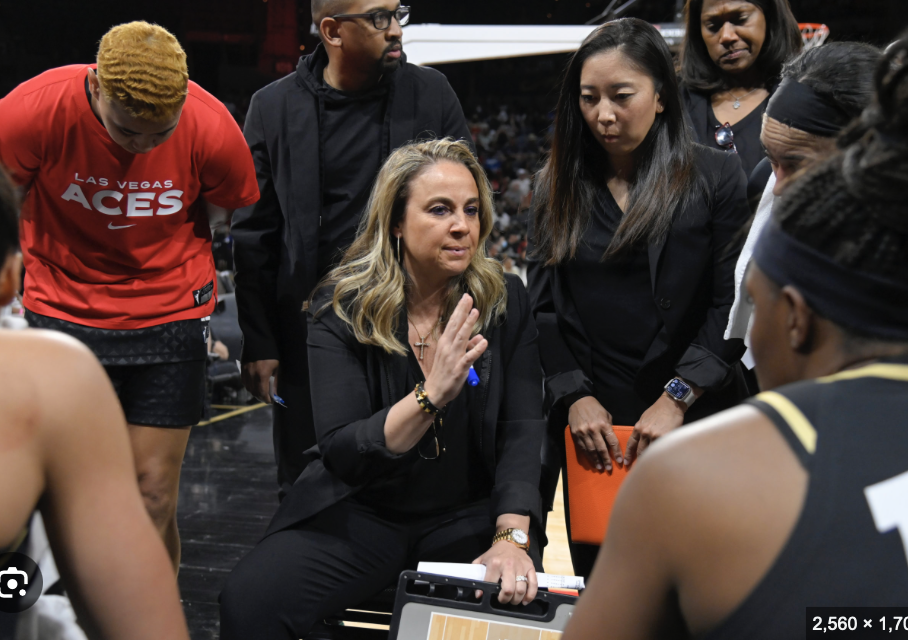
On August 2, 2025, halfway through the WNBA regular season, the Las Vegas Aces suffered the largest defeat in franchise history losing by 53 points to the Minnesota Lynx. The Aces sat in the middle of the league with a 500 record of 14 wins and 14 losses. Head Coach, Becky Hammon, hired in 2022, led the Aces to back-to-back championships in 2022 and 2023. After a disappointing 2024 season, Hammon and the Aces needed to find a new route if they wanted another chance at a championship.
Immediately following the harrowing loss, Hammon needed to find a way to increase engagement, accountability and motivation in an attempt to turn the season around. A new system was installed; player-led scouting reports. Typically compiled by carefully selected assistant coaches and support staff, scouting reports contain an enormous amount of research and analysis to inform game strategy. With ownership now reassigned, players were tasked to think critically and propose/discuss tactics to the whole team.
There was immediate impact. The Aces went on a franchise best 16-game winning streak (second longest in WNBA history) and finished the regular season with 30 wins and 14 losses. This player-led strategy carried the Aces through the post-season and culminated with the team hoisting the 2025 trophy for their third WNBA Championship in four years.
Hammond’s ask of her athletes is an example of participatory leadership; a management style that involves the entire team in decision making through collaboration and open communication. Individual preparation of scouting reports, and the subsequent team conversations, increased every player’s engagement and responsibility in the outcome.
“95% of it was stuff we were already doing… but it was theirs now. There’s ownership in it.”